
Logistics staffing agency searches usually start with a vacancy and a deadline, and they usually end with one of two very different kinds of firms: agencies that supply temporary drivers, warehouse associates, and hourly labor, or search firms that place permanent logistics leadership, transportation managers, directors of logistics, and supply chain executives. Both call themselves staffing. Only one fits your problem, and knowing which before you engage saves weeks.
At Delrecruiters, we sit firmly on the leadership side: permanent, direct-hire placement of logistics, transportation, and supply chain leaders nationwide, never temporary or hourly labor. This guide maps the logistics staffing landscape, explains which model serves which need, and gives you a practical way to evaluate any logistics staffing agency or recruiter before you commit a search to them.
The Logistics Staffing Landscape
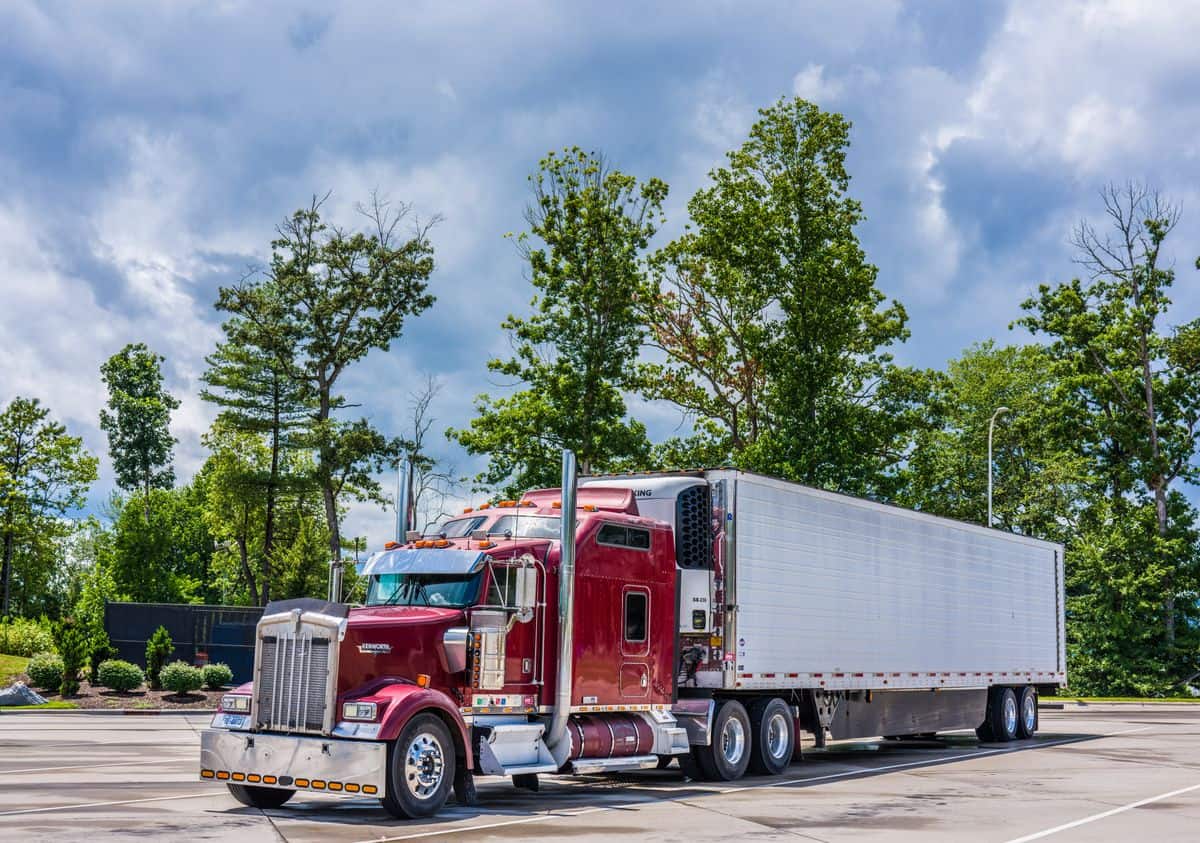
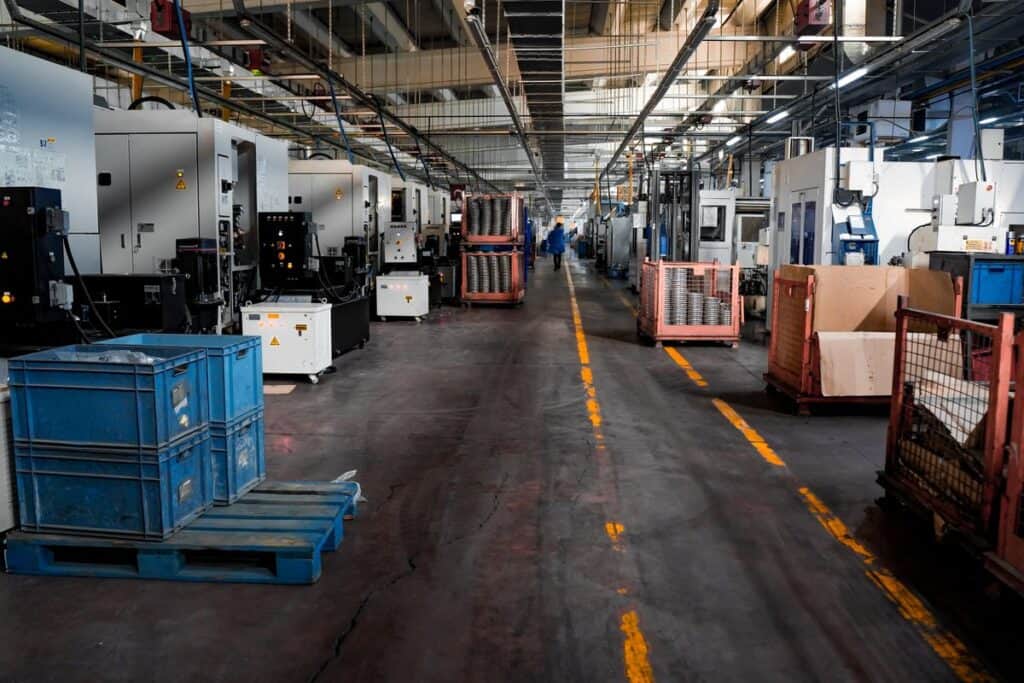
Hourly and Temporary Logistics Staffing
These agencies supply CDL drivers, dock workers, forklift operators, and warehouse associates, often at volume and on short notice. Workers stay on the agency payroll at an hourly markup, with conversion options after a set period. The model exists for flexibility: seasonal surges, driver shortages, absenteeism, and ramp-ups where the priority is coverage this week.
Direct-Hire Logistics Search
Search firms place permanent salaried professionals and leaders: transportation and logistics managers, fleet and terminal leaders, directors of logistics, and the supply chain executives above them. Fees run as a percentage of first-year compensation, and the value is reach and screening, getting to leaders who are employed and performing, then vetting them with domain judgment before they reach your calendar.
The distinction sounds obvious written down, yet companies routinely hand a leadership search to a volume-staffing vendor because the relationship already exists. The result is predictable: a stack of active-jobseeker resumes for a seat that needed a recruited, passive candidate. Match the model to the seat first, and the rest of the process gets easier.
Which Model for Which Need
Use temporary logistics staffing when the work is hourly and the horizon is short: peak-season dock labor, seasonal driver capacity, coverage during turnover. The economics reward flexibility and speed, and the agency shoulders employment administration.
Use direct-hire search when the seat steers the operation: a transportation manager who owns carriers and freight spend, a logistics manager who owns service and cost, a director who owns the network. These hires compound, for better or worse, for years. Our guide to transportation manager hiring shows what proper screening looks like for one of these seats, and our logistics VP role guide covers the executive version.
How to Evaluate a Logistics Staffing Agency or Search Firm

Start with specialization: what share of the firm work is genuinely logistics, transportation, and supply chain, and can they name recent placements near your seat. A firm that lives in this market can talk fluently about carrier dynamics, freight cost pressure, and what separates a dispatcher from a transportation manager. A generalist cannot, and it shows in the slate.
Then test screening and reach. Who evaluates candidates, against what, and how does the firm get to people who are not applying anywhere. Ask for the firm typical time to shortlist and time to fill, and compare against the specialist benchmark of roughly 28 days to fill versus 45 for generalist searches. Finally, check terms: clear fees, a real guarantee period, and a replacement provision. Firms confident in their screening share the risk; firms that resist guarantees are telling you where the risk actually sits.
One more signal costs nothing to collect: honesty. Describe your seat, your compensation, and your location, and ask what will be hard. The firms worth engaging answer specifically, because they have hit those walls before. The ones that promise smooth sailing on every search are selling, not advising.
The Roles a Logistics Search Firm Actually Fills
It helps to see the seats concretely. On the transportation side: transportation managers who own carrier networks, rates, and routing; fleet managers who own assets, drivers, and compliance; terminal and hub managers in parcel and LTL networks. On the network side: logistics managers who balance cost and service across modes, distribution and warehouse leaders where logistics meets the building, and the analysts and planners who feed them. At the top: directors of logistics and VPs who own the whole flow and its budget.
Each of those seats has a screening logic of its own. A fleet seat demands safety and compliance depth, hours-of-service fluency, and driver-retention instincts. A carrier-network seat demands negotiation records and capacity relationships. A director seat demands the cross-functional range to sit between finance, sales, and operations without losing the floor. This is the practical meaning of specialization: a firm that fills these seats weekly arrives already knowing what excellent looks like for yours, and screens against it rather than against a keyword list.
The pattern applies in reverse for candidates, too. The strongest logistics leaders pick their recruiters the way employers should pick theirs, working with firms that know the market well enough to bring them only real opportunities. That is why specialist firms hold the passive networks generalists cannot: the relationship is worth something to both sides, search after search, year after year.
What Leadership Search Delivers
The return on doing this well shows up in two numbers. Speed: specialist logistics searches fill in about four weeks because the network exists before the search starts. Durability: specialist placements hold first-year retention near 94 percent against 78 percent for generalist hires, which is the difference between a hire that compounds and a search you rerun next year. Under both numbers sits the same mechanism, domain screening that a volume-staffing model simply is not built to perform.
Set those numbers against the cost of the alternative: a vacant transportation or logistics seat leaking money daily through unmanaged freight, expedites, and stretched supervisors, or a settled-for hire quietly eroding service. Demand pressure is not letting up either, with the U.S. Bureau of Labor Statistics projecting continued growth for transportation, storage, and distribution managers. The leaders you want are being recruited whether or not you are recruiting them.
Agency Search vs. Hiring In-House
Some companies hesitate between engaging a firm and running the search themselves, and the honest answer is that both can work when matched to the situation. In-house recruiting fits when your talent team has genuine logistics domain knowledge, sourcing capacity to reach passive candidates, and the calendar room to run a focused search for four to six weeks. If all three are true, keep it inside and spend the fee elsewhere.
The math changes when any leg is missing. A corporate recruiter juggling forty requisitions across every function cannot give a transportation manager search the sourcing hours it needs, and without domain depth the screening reverts to keywords and gut feel. Meanwhile the seat sits open, and an empty logistics leadership seat is not neutral: freight goes unmanaged, expedites creep, carriers sense drift, and the team covering the gap burns down its goodwill. A vacancy carried for an extra month typically costs more in quiet operational leakage than the entire placement fee it was avoiding.
There is also a middle path worth naming: engage a specialist logistics staffing agency or search firm for the hard, senior, or confidential seats, and keep the routine hiring in-house. Most of our long-term clients work exactly this way. The relationship earns its keep on the searches that would have stalled internally, and the internal team keeps everything it is genuinely equipped to win.
Work With Delrecruiters
If your need is permanent logistics or transportation leadership, that is exactly what we do. Our logistics and transportation recruiting practice places managers through VPs nationwide, every candidate is screened before you see a name, and if your problem is really an hourly-labor problem we will say so and point you to the right kind of firm. Start a confidential search through our contact page.
Frequently Asked Questions
What does a logistics staffing agency do?
It depends on the model. Hourly-focused agencies supply temporary drivers, dock workers, and warehouse associates billed at an hourly markup. Direct-hire search firms place permanent salaried logistics and transportation leaders for a one-time placement fee. The two solve different problems, so confirm the model before engaging.
Is a logistics staffing agency the same as a logistics recruiter?
Usually not. Staffing agency generally implies temporary and hourly labor supply, while recruiter or search firm implies permanent placement of professionals and leaders. Many companies searching for a logistics staffing agency actually need a direct-hire recruiter for a management seat.
How much does a logistics staffing agency cost?
Temporary staffing is billed as an hourly markup over the worker wage for as long as the assignment runs. Direct-hire search is billed once, as a percentage of the placed leader first-year compensation, typically with a guarantee period and replacement provision attached.
How do I pick the right logistics staffing agency for a management role?
For a management seat, choose a specialist direct-hire firm: check its share of genuine logistics placements, who screens candidates and how, its reach into passive talent, and whether its terms share the risk. A logistics staffing agency built for hourly volume is the wrong tool for a leadership hire, however good the relationship.