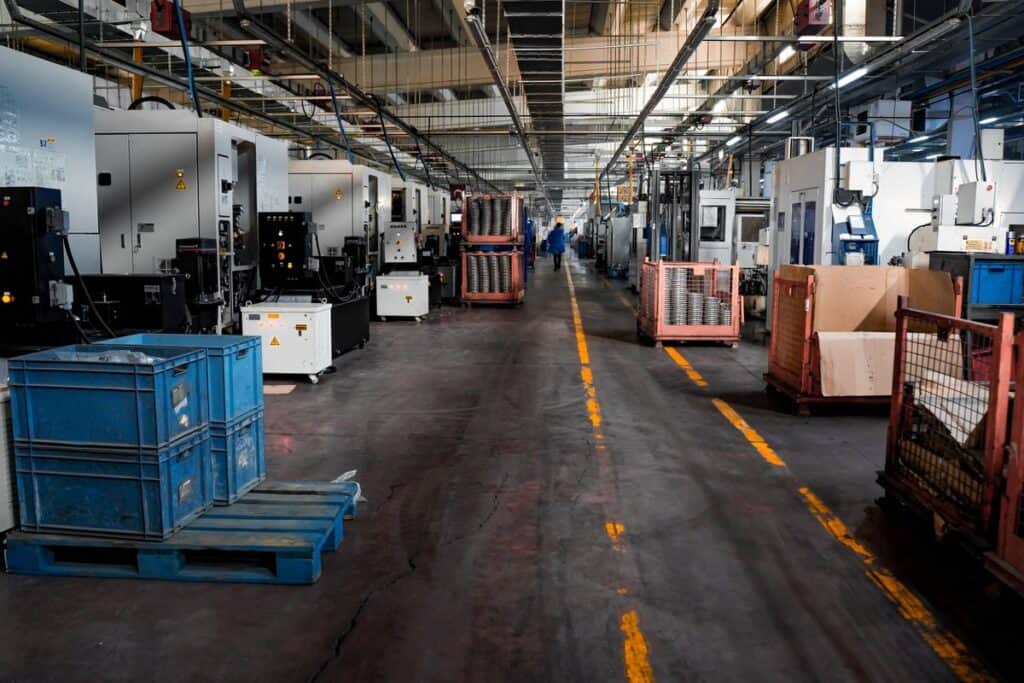

Last mile delivery manager hiring has become one of the most important and least understood searches in logistics. The last mile is the most expensive and most visible part of the delivery chain, the leg that customers actually experience, and the leader who runs it owns cost per stop, on-time performance, driver management, and the final brand impression. Get this hire right and delivery becomes a competitive advantage. Get it wrong and costs balloon while customer complaints climb.
At Delrecruiters, last-mile and final-mile leadership fall within our logistics and e-commerce fulfillment practice, and we place permanent, direct-hire managers and directors nationwide. The mistake we see most often in last mile delivery manager hiring is assuming that general transportation or middle-mile experience translates directly. It does not. The last mile has its own economics, its own labor model, and its own relentless customer pressure, and hiring for it requires understanding those differences.
What a Last-Mile Delivery Manager Actually Does
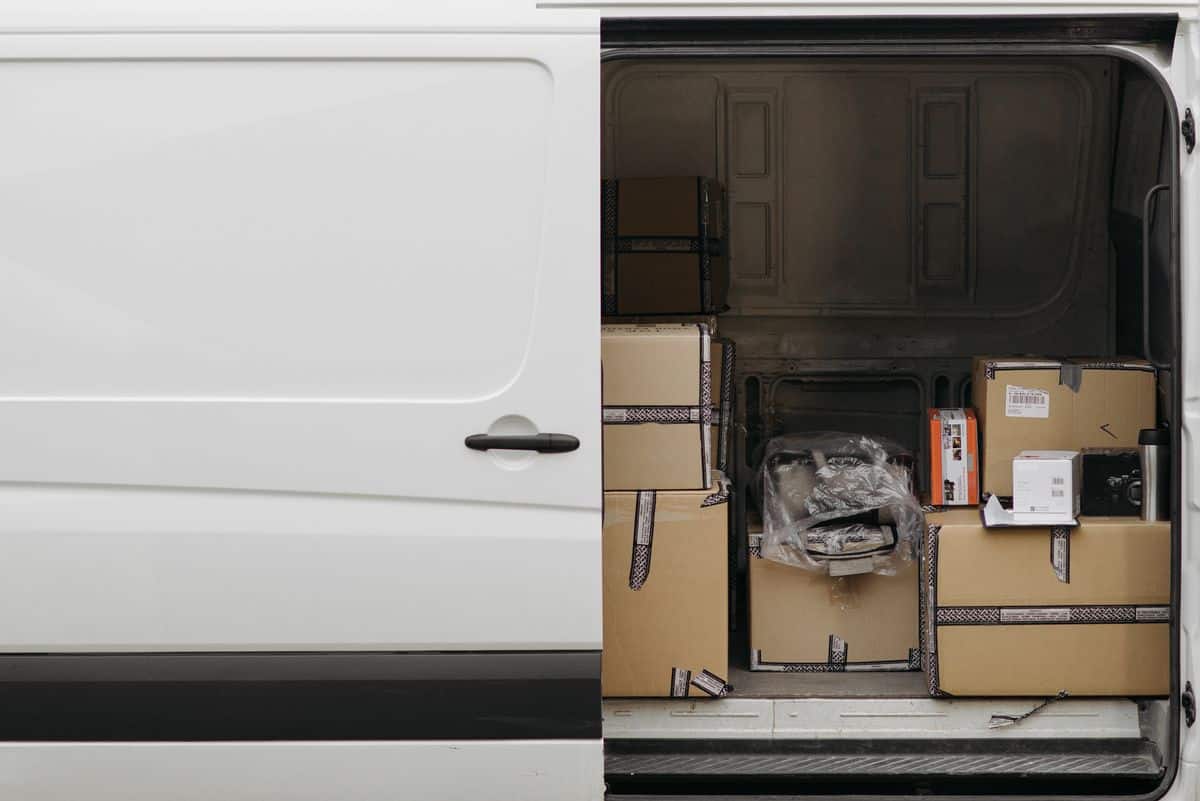
A last-mile delivery manager owns the final leg of the journey, from the local depot or fulfillment center to the customer door. That means managing drivers or delivery partners, designing and optimizing routes for density and cost, hitting tight delivery windows, and protecting the customer experience at the moment of handoff. In many operations they also manage returns, failed-delivery recovery, and the technology that tracks every package in real time.
The economics are unforgiving. The last mile can account for a large share of total delivery cost, and small inefficiencies in route density or stop time multiply across thousands of deliveries a day. A strong manager lives in metrics like cost per stop, stops per route, on-time rate, and first-attempt delivery success, and uses them to drive daily decisions. A leader who manages by gut rather than data rarely keeps last-mile cost under control.
Just as important, the last mile is a brand touchpoint. The delivery is often the only physical interaction a customer has with the company, so a late, damaged, or rude delivery undoes everything marketing and merchandising worked to build. The best last-mile managers treat customer experience as a core operating metric, not an afterthought, and they build that mindset into their drivers and partners.
The 5 Keys to Hiring a Last-Mile Delivery Manager
1. Do Not Assume Middle-Mile Experience Transfers
A leader who has run linehaul or middle-mile transportation is not automatically ready for the last mile. The last mile has a different cost structure, a different labor model, and far more direct customer exposure. Probe specifically for final-mile experience, and when you consider a candidate from middle-mile or general transportation, test whether they understand the unique density economics and customer pressure of the last leg.
2. Take Driver and Labor Management Seriously
Last-mile operations live and die on drivers, whether they are employees, delivery service partners, or gig couriers. Turnover is high, the labor market is tight, and the model shapes everything. A manager needs to recruit, retain, and motivate a delivery workforce and manage the partners who supply it. Ask how the candidate has handled driver turnover, built a reliable delivery workforce, or managed a delivery service partner network.
3. Test Route Density and Cost-Per-Stop Optimization
The single biggest lever in last-mile cost is route density, and optimizing it is a genuine skill. Ask candidates how they improved stops per route, reduced cost per stop, or used routing technology to tighten a delivery network. A leader who can speak fluently about density, drive time, and stop economics is demonstrating exactly the capability that controls last-mile cost.
4. Make Customer Experience a Hiring Criterion
Because the last mile is where the customer judges the whole experience, the manager has to balance cost against service quality, not just chase the lowest cost per stop. Explore how the candidate has improved on-time rates, reduced failed deliveries, or recovered a service problem without blowing the budget. A leader who treats delivery purely as a cost center will quietly erode the customer relationship.
5. Plan for Peak From the Start
Last-mile volume swings hard with seasonality, and e-commerce can drive surges of roughly 40 percent during the final months of the year. A manager who cannot scale a delivery network up and back down will drown in peak. Ask how the candidate has planned for and executed through a peak season, including how they flexed driver capacity and protected service when volume spiked.
What a Better Last-Mile Search Looks Like
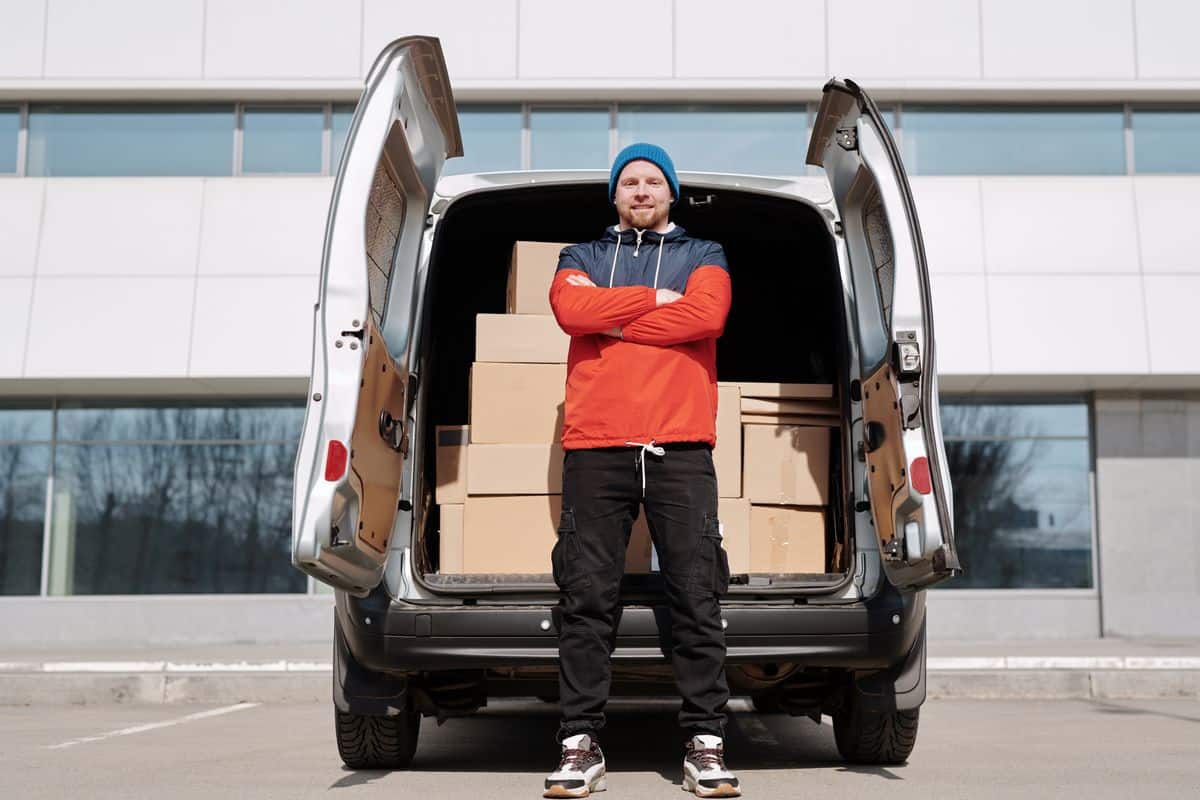
A strong search starts by defining your delivery model and goals. Before we begin, we map the operation with you: in-house fleet, delivery service partners, or gig couriers, the geography and density of your network, your cost and service targets, and your peak profile. That picture tells us whether you need a builder who can stand up a delivery operation, an optimizer who can take cost out of an existing one, or a leader who can scale a network quickly.
The evaluation should include a scenario from your own network, such as a sudden volume surge or a depot missing its on-time targets, and ask the candidate to walk through their response. This reveals operational judgment and customer instinct at once. Reference checks should reach someone who saw the candidate manage drivers or partners directly, because the last mile is ultimately a people-and-density business.
How We Approach Last-Mile Delivery Manager Hiring at Delrecruiters
Our intake is detailed because last-mile operations vary so much by model and market. A dense urban delivery network needs a different leader than a sprawling suburban or rural one, and a gig-courier model demands different instincts than an employee fleet. We start with your network, labor model, and growth plans, and that profile becomes the lens for every candidate. Because we specialize in logistics leadership, our searches tend to fill in about 28 days against 45 for a generalist, with first-year retention near 94 percent versus 78 percent for generalist hires.
We also push back when scope and compensation do not align, because a leader who can control last-mile cost and protect the customer experience commands a market rate. Learn more about our logistics and transportation recruiting and e-commerce fulfillment recruiting practices.
Match the Hire to Your Delivery Model
The right last mile delivery manager hiring profile depends on how you actually deliver. An in-house employee fleet rewards a leader strong in direct workforce management, fleet operations, and the safety and compliance that come with running your own vehicles and drivers. A delivery service partner model rewards a leader skilled at managing third parties to performance, holding partners accountable to service levels while keeping the relationship productive.
A gig or crowdsourced courier model is different again, demanding comfort with variable capacity, app-based dispatch, and the constant work of keeping enough couriers active to meet demand. A leader who excelled managing an employee fleet may struggle to orchestrate a gig network, and the reverse holds too. Defining your delivery model before the search is what lets us target a candidate whose experience matches the operation you actually run, rather than the one a generic resume describes.
What Weak Last-Mile Leadership Really Costs
The cost of getting last mile delivery manager hiring wrong is unusually visible, because it shows up in two places at once: the cost line and the customer. On the cost side, poor route density, high driver turnover, and failed first-attempt deliveries quietly inflate cost per stop across every package, and at last-mile volumes those pennies add up to real money fast. A network running a few stops per route below where it should be is leaking margin on every shift.
On the customer side, the damage is harder to measure but more dangerous. A late or mishandled delivery is the experience the customer remembers, and in a market where shoppers can switch brands with a tap, repeated delivery failures erode loyalty that cost a fortune to build. Weak last-mile leadership therefore hits both unit economics and lifetime customer value, which is why the role deserves a more serious search than it usually receives.
A deliberate, specialist-led process is the way to protect both. Filling the seat quickly matters, because a leaderless delivery operation drifts fast, but the leader you hire should be the one who can rebuild density and rebuild trust, not just survive the next peak. A specialist search compresses the timeline without lowering the bar, which is exactly the balance a high-stakes, customer-facing operation demands.
Start Your Last-Mile Delivery Manager Search
If you are planning a last mile delivery manager hiring search, we can help you define the model, test candidates against real density and service scenarios, and place a leader who controls cost and delights customers at the door. Reach Delrecruiters through our contact page to start a confidential, direct-hire search. For context on demand for these roles, see the U.S. Bureau of Labor Statistics outlook for transportation, storage, and distribution managers.
Frequently Asked Questions
Is last-mile experience really different from other transportation roles?
Yes. The last mile has a distinct cost structure, a high-turnover labor model, and direct customer exposure that middle-mile and linehaul roles do not. A strong transportation leader can sometimes make the move, but only if they understand last-mile density economics and customer pressure, so test for that specifically.
How important is technology in last-mile management?
Very. Routing optimization, real-time tracking, and delivery analytics are central to controlling cost and service, so a capable last-mile manager uses these tools fluently. As with any role, prioritize the judgment to use technology well over experience with one specific platform.
What is the most important thing to assess in last mile delivery manager hiring?
The ability to balance cost per stop against the customer experience while managing a difficult labor model. Ask for specific results in route density, on-time rate, and driver retention. Last mile delivery manager hiring succeeds when the leader treats both cost and service as core metrics.
How long does a last-mile leadership search take?
With a specialist, four to six weeks from intake to accepted offer is typical, and a qualified shortlist often arrives within days. Searches requiring a specific delivery model or dense urban-market experience can run longer.