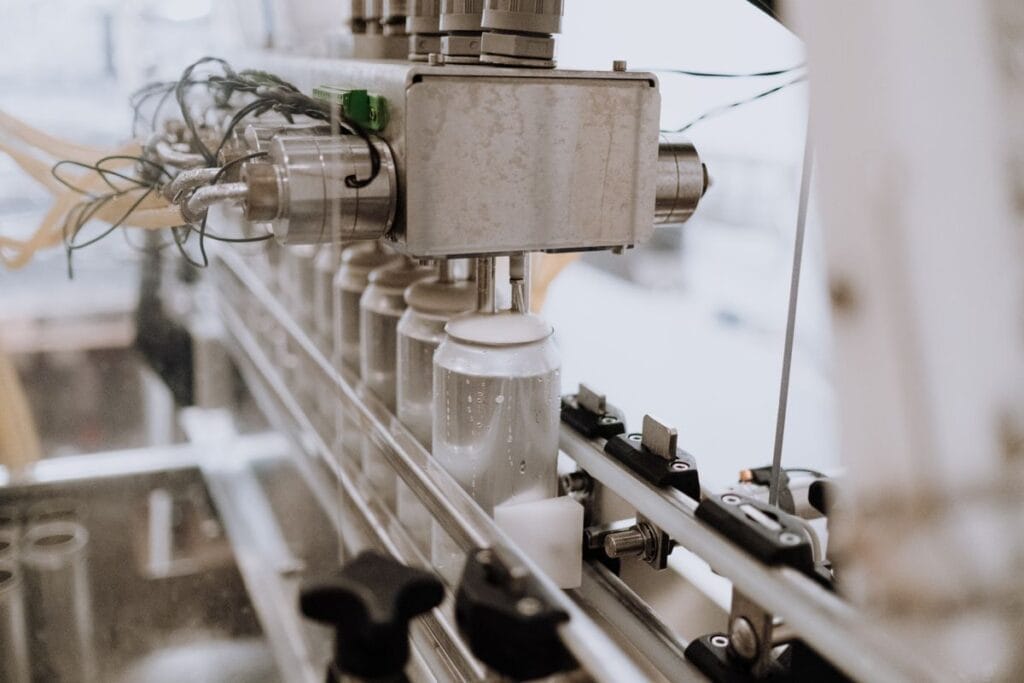

Plant manager hiring is one of the most consequential decisions a manufacturer makes, because almost everything that matters runs through this role: safety, quality, throughput, cost, labor, and the maintenance that keeps the line moving. A strong plant manager turns a facility into a predictable, improving operation. A weak one lets safety slip, quality drift, and output stall, and the costs of that show up fast in scrap, downtime, and turnover.
At Delrecruiters, manufacturing operations leadership is part of our core focus, and we place permanent, direct-hire plant managers and operations directors nationwide. The pattern we see in plant manager hiring is familiar: companies over-weight whether a candidate has run their exact process and under-weight the leadership, safety discipline, and improvement mindset that actually determine success. This guide breaks down what the role demands and the mistakes that derail these searches.
What a Plant Manager Actually Does
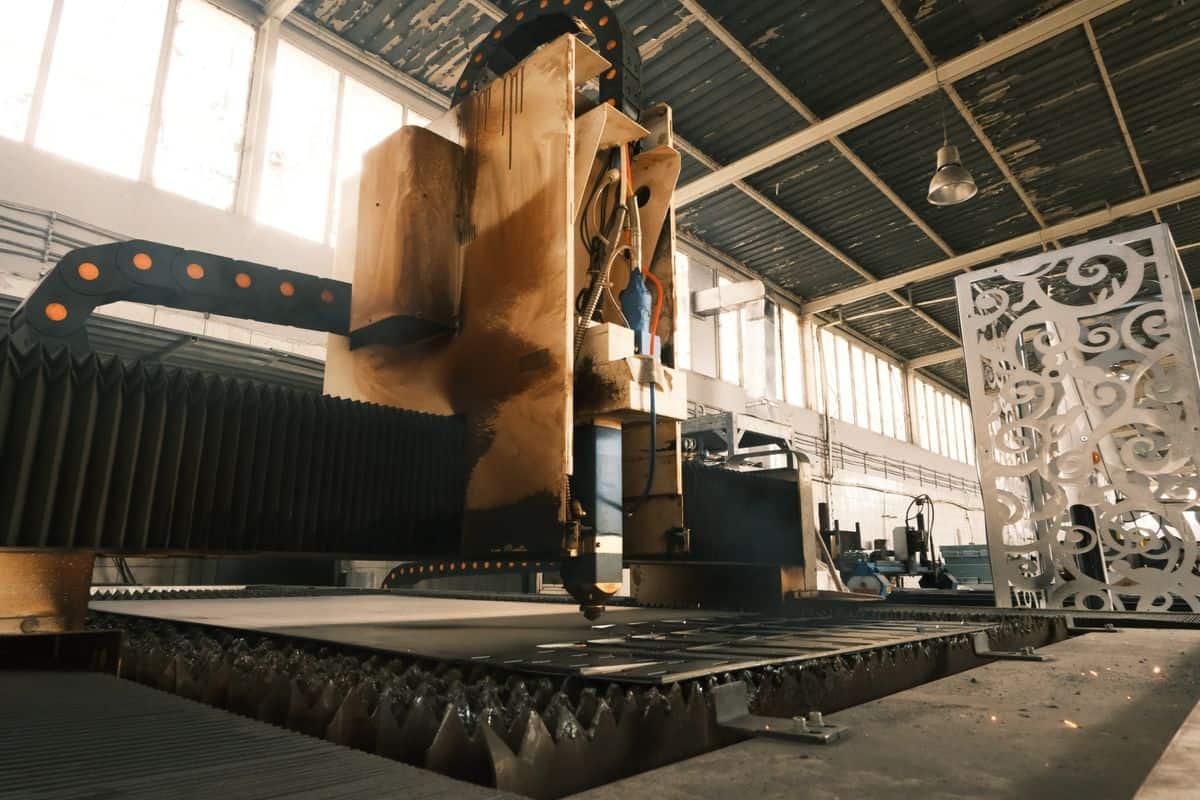
A plant manager owns the entire facility as a system. They are accountable for safety and regulatory compliance, product quality, production output against schedule, labor and shift management, maintenance and uptime, and usually a site P&L. In a smaller plant they may be hands-on across all of it; in a larger one they lead a team of production, quality, maintenance, and supply managers and report to a director of operations or VP.
What makes the role demanding is that these priorities constantly pull against each other. Pushing output can strain quality; cutting cost can compromise maintenance; running lean on labor can hurt safety. The plant manager job is to keep all of them in balance, day after day, while still driving the facility forward. That requires judgment under pressure and the credibility to lead a workforce that can sense immediately whether a leader knows the floor.
The best plant managers are also continuous-improvement leaders. They use Lean, Six Sigma, and structured problem-solving not as buzzwords but as the daily operating system of the plant, and they build a culture where the workforce surfaces and solves problems. A candidate who has only held a facility steady is a different hire than one who has measurably improved one, and knowing which you need shapes the whole search.
The 5 Most Common Plant Manager Hiring Mistakes
Mistake 1: Over-Weighting Process Familiarity Over Leadership
Companies often insist on a candidate from their exact process and overlook leadership range. Process knowledge matters, but a capable plant manager learns a new process far faster than a process expert learns to lead a few hundred people through a hard year. Weight the leadership, safety discipline, and improvement track record first, and treat narrow process familiarity as a preference rather than a gate, except where the process is genuinely specialized or highly regulated.
Mistake 2: Confusing a Production Supervisor With a Plant Manager
A strong production supervisor runs a line or a shift; a plant manager runs the whole facility, including the P&L, the safety culture, and the cross-functional coordination between production, quality, maintenance, and supply. Promoting a great supervisor into the plant manager seat without testing for that broader range often leaves the line running well while cost, safety systems, and improvement quietly lose ground.
Mistake 3: Not Testing Safety and Quality Leadership
Safety and quality are non-negotiable, and they are cultural before they are procedural. A plant manager sets the tone, and a leader who treats safety as a compliance checkbox will eventually have an incident that costs far more than any productivity gain. During interviews, ask how the candidate built a safety culture, handled a serious incident, or recovered a quality problem. The depth of those answers tells you whether safety and quality are core to how they lead.
Mistake 4: Ignoring Continuous-Improvement Experience
If you want the plant to get better, not just hold steady, you need a leader with a real continuous-improvement track record. Ask for specific results: scrap reduced, uptime improved, changeover time cut, output raised without adding cost. A candidate who can quantify improvements they personally drove with Lean or Six Sigma methods is showing the exact capability that compounds over years in the role.
Mistake 5: Rushing the Hire During a Crisis
Plant manager searches often start because something broke: a safety event, a quality escape, a downtime spike, or a sudden departure. The pressure is real, but a rushed hire made to stop the bleeding tends to be a firefighter rather than a builder, and a mis-hire in this seat is enormously expensive once you count disruption, turnover, and a second search. Bring in interim leadership for the crisis while you run a proper search for the long-term leader.
What a Better Plant Manager Search Looks Like
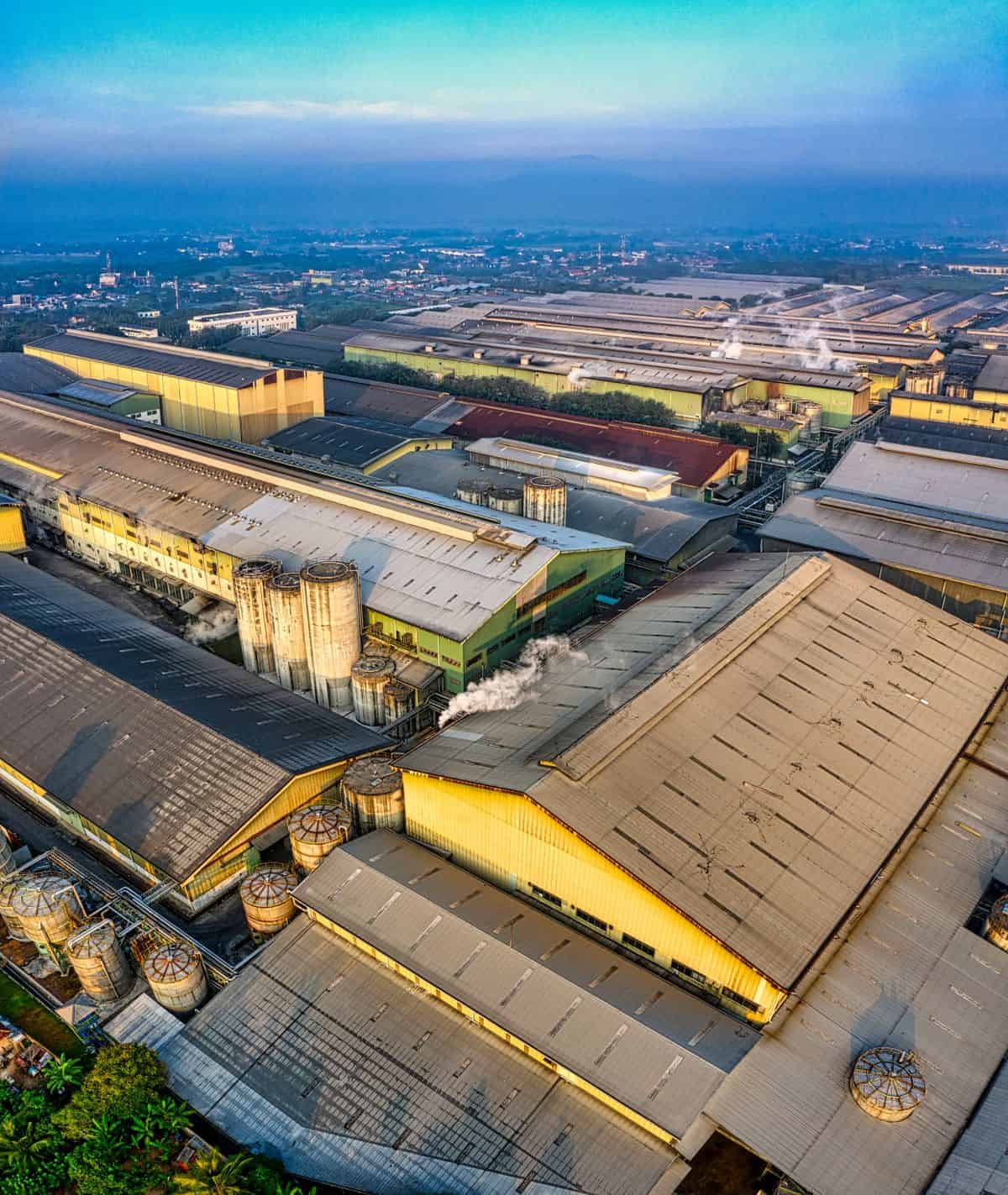
A strong search starts with a clear definition of the plant current state and the mandate. Before we begin, we map the facility with you: the process, the workforce and any union dynamics, the safety and quality record, the equipment and maintenance posture, and the financial structure. That profile tells us whether you need a builder, a turnaround leader, or a steady operator who can sustain and refine a healthy plant.
The evaluation should include a scenario drawn from the plant real history, such as a quality escape or a downtime crisis, and ask the candidate to walk through how they would stabilize, diagnose, and prevent recurrence. This reveals operational judgment and leadership style far better than a credentials review. Reference checks should reach a direct report and a peer from quality or maintenance, because the people who work alongside a plant manager see the truth about how they lead.
How We Approach Plant Manager Hiring at Delrecruiters
Our intake is detailed because manufacturing operations vary enormously by process, workforce, and maturity. A high-mix discrete assembly plant needs a different leader than a continuous-process facility or a food-grade operation with strict compliance. We start with your process, workforce, and improvement goals, and that profile becomes the lens for every candidate. Because we specialize in operations leadership, our searches tend to fill in about 28 days against 45 for a generalist, with first-year retention near 94 percent versus 78 percent for generalist hires.
We also push back when the scope and the offer do not match, because a plant manager who can own safety, quality, output, and a P&L commands a market rate. Learn more about our manufacturing recruiting practice, and use our job description guide to scope the role before you post it.
Match the Hire to Your Plant
The right plant manager hiring profile shifts with the kind of facility you run. Discrete manufacturing, with assembly and high product mix, rewards a leader strong in scheduling, changeover, and labor flexibility. Process manufacturing, where the line runs continuously, rewards a leader fluent in uptime, yield, and tightly controlled procedures. A food, beverage, or pharmaceutical plant adds rigorous sanitation, traceability, and regulatory demands that not every manager has lived with.
Workforce dynamics matter just as much. A unionized plant requires a leader who can work constructively within a labor agreement and build trust with the workforce and its representatives, which is a genuinely different skill than running a non-union site. And a greenfield startup, a turnaround, and a stable plant each call for a different temperament. Matching the candidate background to the real shape of your facility is what turns a promising hire into a lasting one.
The Cost of Leaving the Seat Open
It is worth being clear-eyed about what a plant manager vacancy actually costs, because that number is usually what justifies a focused search. When the seat is empty, decisions that need an owner pile up: capital requests stall, safety initiatives lose their sponsor, and supervisors stretch to cover judgment calls above their level. Output and quality tend to drift even when the team is working hard, simply because no one is steering the whole facility.
The harder cost is talent. A plant without a steady leader at the top loses good people, and skilled manufacturing talent is difficult and expensive to replace in most markets. A vacancy that drags on can quietly turn one open role into several, and the replacement cost for experienced operators runs into months of salary each. Set against that, the cost of a deliberate, specialist-led search is small, and the speed of a specialist, filling in roughly 28 days rather than 45, directly reduces the exposure. The goal is never to rush the hire, but to run a fast, rigorous process so the seat is filled correctly before the drift compounds.
Start Your Plant Manager Search
If you are planning a plant manager hiring search, we can help you define the mandate, test candidates against real safety, quality, and output scenarios, and place a leader who runs a safe, improving facility. Reach Delrecruiters through our contact page to start a confidential, direct-hire search. For context on demand for these roles, see the U.S. Bureau of Labor Statistics outlook for industrial production managers.
Frequently Asked Questions
Should a plant manager come from our exact industry?
Not necessarily. Leadership, safety discipline, and continuous-improvement skill transfer across manufacturing environments, and insisting on an exact process match screens out strong candidates. Process specificity matters most in highly regulated or unusual operations, but in many cases a strong leader from an adjacent process is the better hire.
What is the difference between a production supervisor and a plant manager?
A supervisor runs a line or shift, while a plant manager owns the entire facility, including the P&L, safety culture, quality systems, and cross-functional coordination. Promoting a supervisor without testing for that broader range is a common and costly plant manager hiring mistake.
What is the most important thing to assess?
Leadership paired with a safety and improvement track record. Ask for specific results the candidate drove and how they built a safety culture. Plant manager hiring succeeds when the leader can balance safety, quality, output, and cost, not just push one of them.
How long does a plant manager search take?
With a specialist, four to six weeks from intake to accepted offer is typical, and a qualified shortlist often arrives within days. Searches requiring a specialized process, regulatory background, or union experience can run longer.