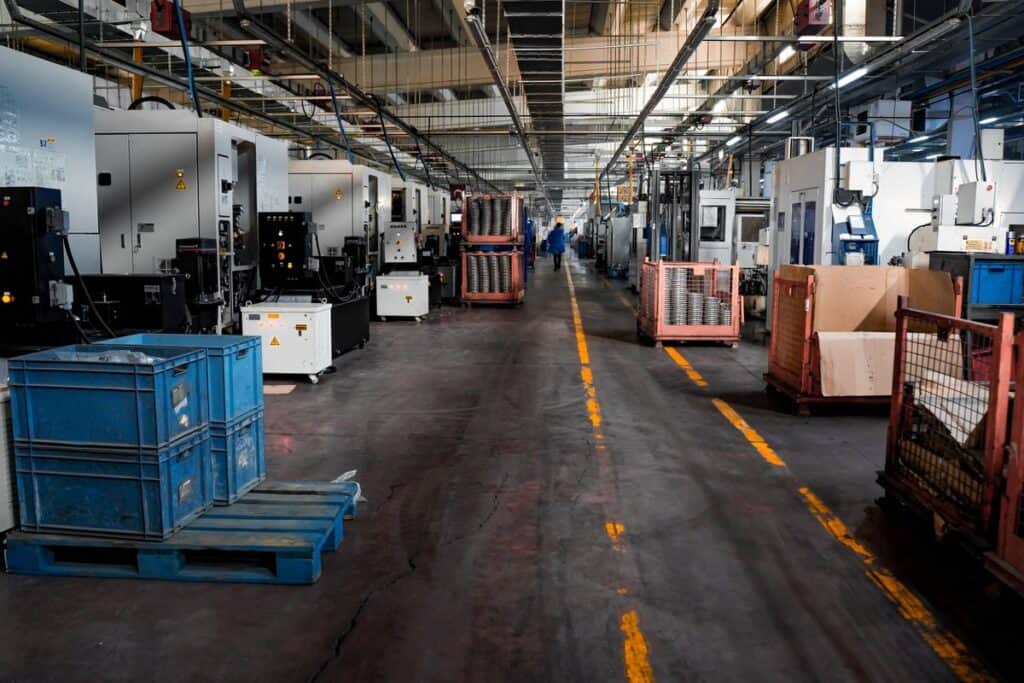

Manufacturing recruiters exist because plant leadership is genuinely hard to hire. The people who can run a production floor safely, hold quality, hit output, and develop a workforce are rarely browsing job boards. They are employed, they are performing, and they move only when the right opportunity reaches them directly. That is the gap a specialist search firm closes.
At Delrecruiters, manufacturing operations leadership is one of our core practices. We place permanent, direct-hire managers, directors, and executives across plants and production operations nationwide. We are not a temp agency, we do not place hourly labor, and we do not fill roles outside industrial operations and supply chain. This guide explains what manufacturing recruiters actually do, when it makes sense to use one, and how to tell a specialist from a generalist.
What Manufacturing Recruiters Actually Do
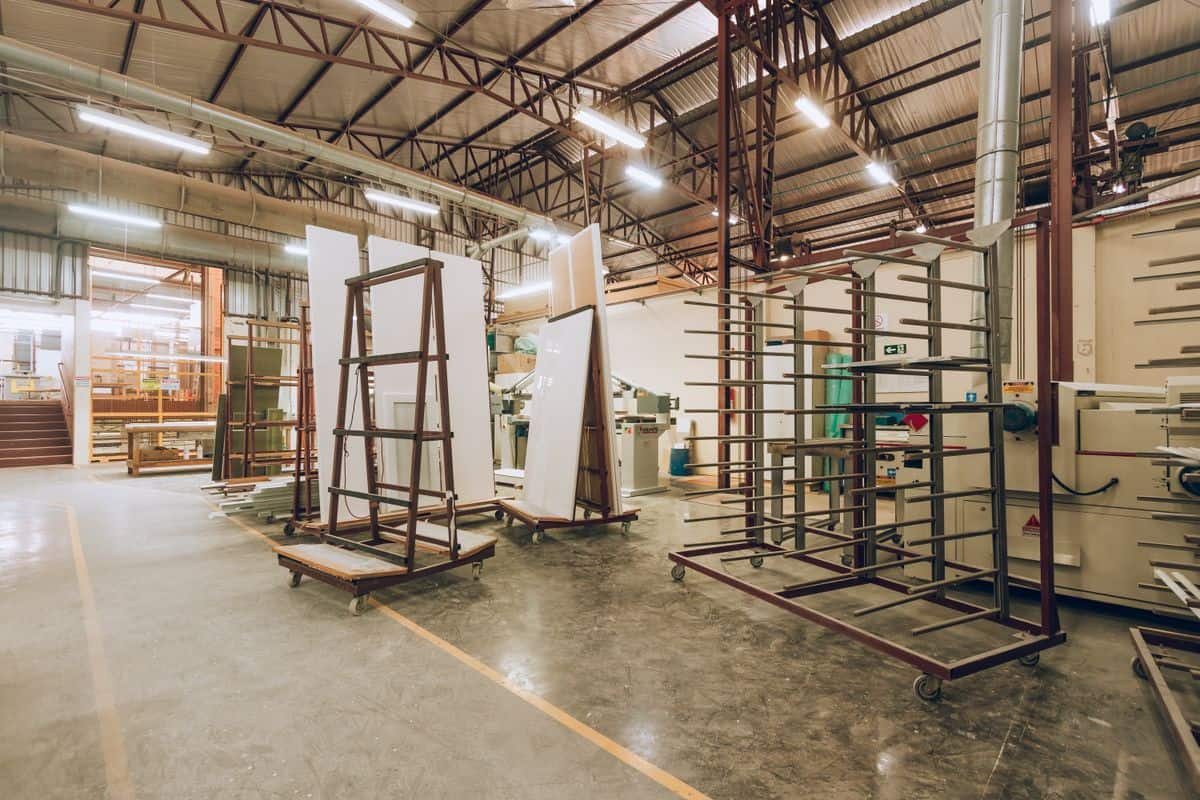
A recruiting firm in this space does far more than forward resumes. The work starts with defining the role honestly: the state of the plant, the workforce, the equipment, the safety and quality record, and what the business needs this leader to accomplish in the first year. That definition determines whether you need a builder, a turnaround leader, or a steady operator, and those are three different candidates.
From there the search moves to sourcing, and this is where specialization earns its fee. Most qualified plant and production leaders are not applying to anything. Reaching them means knowing who they are, where they sit, and how to open a credible conversation about a move. A firm that works this market every week has those relationships already built. A generalist starts from a keyword search.
The final piece is evaluation. Screening a manufacturing leader means probing safety culture, quality systems, continuous improvement results, and how they lead a workforce through a hard quarter, not just confirming they have run a plant of similar size. Done properly, that screening is what separates a hire who lasts from one you replace in a year.
When to Use a Manufacturing Recruiter
Not every opening needs outside help. If you have a strong internal bench and a healthy applicant flow, promote from within. Outside search earns its place in a few specific situations, and it is worth knowing which one you are in before you engage anyone.
The first is when the role is critical and the internal bench is thin. A plant manager or operations director vacancy leaves decisions unowned, and supervisors stretch to cover judgment calls above their level. The second is when the search needs to stay confidential, such as replacing an underperforming leader who is still in the seat. Job postings are not an option in that situation.
The third is when your applicant flow is producing volume but not quality. That usually means the people you want are not looking, which is precisely the problem a specialist solves. And the fourth is speed. When an operation cannot absorb a long vacancy, a firm with a live network can present qualified candidates in days rather than starting from scratch.
Roles We Place in Manufacturing Operations
Our work spans the leadership layer of industrial operations. On the production side that includes plant managers, operations directors, production managers, and manufacturing engineers moving into leadership. On the quality and compliance side it includes quality managers, quality directors, and continuous improvement leaders driving Lean and Six Sigma programs.
We also place the roles that connect the plant to the wider network: materials managers, master schedulers, supply chain managers, and the maintenance and reliability leaders who protect uptime. Because plant-to-warehouse flow matters as much as what happens on the line, our manufacturing recruiting practice works closely with our supply chain recruiting practice on roles that span both.
What Separates Specialist Manufacturing Recruiters From Generalists
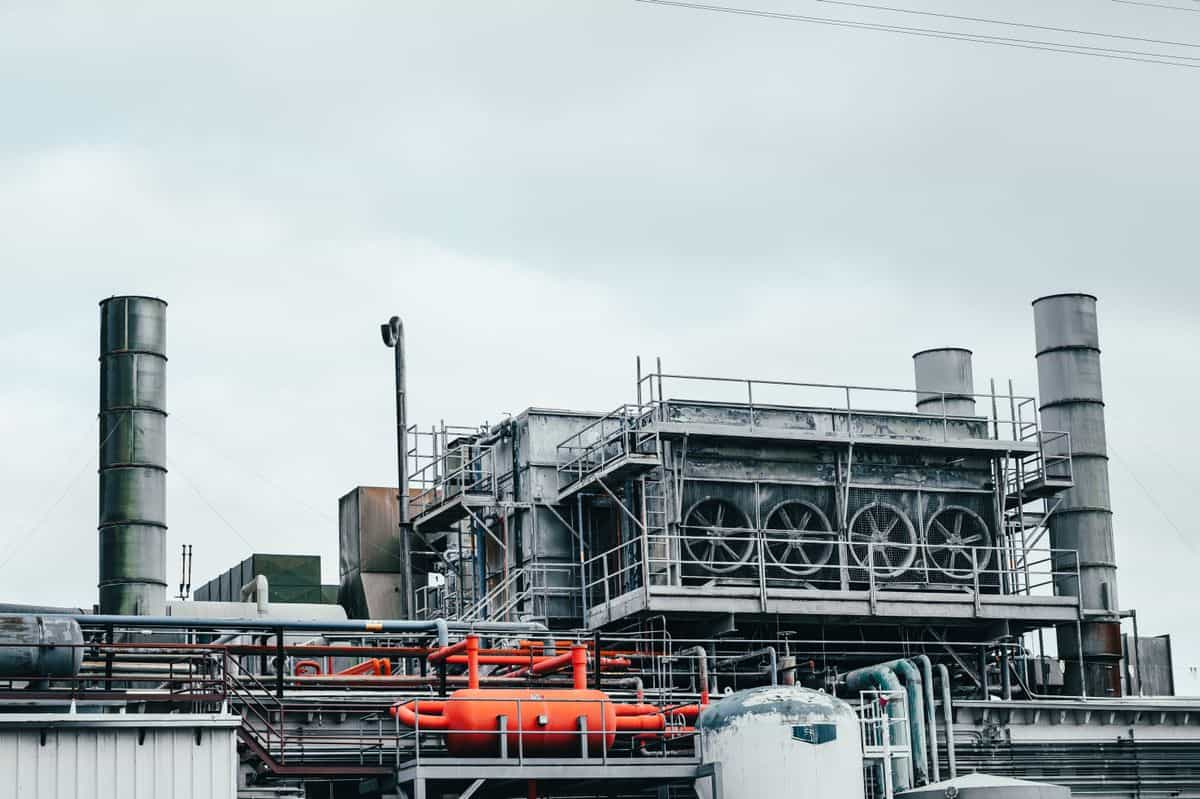
The difference shows up in the numbers. Specialist searches in industrial operations tend to fill in roughly 28 days against about 45 for a generalist effort, and specialist placements hold up better over time, with first-year retention closer to 94 percent than the 78 percent typical of generalist hires. Those gaps are not marketing claims about effort. They come from starting with a live network instead of building one per search.
It also shows up in screening. A generalist recruiter matches a resume to a job description. Specialist manufacturing recruiters know to ask how a candidate built a safety culture, what happened after a quality escape, and what specific improvement results they personally drove. Those questions surface the difference between a leader who held a plant steady and one who measurably improved it.
Finally, it shows up in honesty about scope and pay. A firm that lives in this market knows what a plant manager with P&L ownership and a real improvement record commands. If the mandate and the offer do not line up, we say so at the start rather than letting a search stall for two months. That candor is part of why our searches close.
How Our Manufacturing Search Process Works
We begin with a detailed intake, usually with the person the role reports to. We map the process, the workforce and any union dynamics, the equipment and maintenance posture, the safety and quality history, and the financial structure of the site. That profile becomes the lens for every candidate, and it is what keeps a search from drifting toward whoever happens to be available.
We then build a targeted slate rather than a volume funnel. Candidates are screened against the profile, and our team reviews each one before you see a name. We recommend at least one scenario-based exercise drawn from your own plant history, such as a downtime spike or a quality problem, because how a candidate reasons through a real situation predicts performance far better than a credentials review.
Reference checks close the loop, and we push beyond former managers to a direct report and a peer from quality or maintenance. The people who worked alongside a leader see how they actually operate. If you want to scope the role tightly before we start, our job description guide walks through separating must-haves from preferences.
Industries and Plant Types We Cover
Discrete manufacturing, with assembly and high product mix, rewards leaders strong in scheduling, changeover, and labor flexibility. Process manufacturing, where the line runs continuously, rewards fluency in uptime, yield, and tightly controlled procedures. We recruit across both, and we match candidate background to plant type deliberately, because the two environments demand different instincts.
We also cover regulated and specialized operations, including food and beverage production with its sanitation and traceability demands, medical device and pharmaceutical manufacturing with strict documentation and audit readiness, and plastics, packaging, metals, automotive, and industrial equipment. When a plant sits close to distribution, we bring the operations and logistics view together rather than treating them as separate problems.
Timelines, Cost, and What to Expect
A well-defined manufacturing leadership search typically runs four to six weeks from intake to accepted offer, and we can often present a qualified shortlist within days because the network already exists. Searches stretch when requirements are unusually narrow, such as a specific process plus a regulatory background plus a tight geography, and they compress when the hiring team agrees on scope before the search begins.
It is worth weighing that against the cost of waiting. A vacant management seat in an industrial operation drains productivity daily through unowned decisions, stalled initiatives, and supervisors covering above their level, and the harder cost is talent, because plants without steady leadership lose good people. Set against those numbers, a focused search is usually the cheaper path, and speed is the lever that matters most.
Start a Manufacturing Search With Delrecruiters
If you are evaluating manufacturing recruiters for an upcoming plant, quality, or operations leadership hire, we would welcome the conversation. Reach Delrecruiters through our contact page to start a confidential, direct-hire search built around your operation. For broader context on demand and outlook in these roles, see the U.S. Bureau of Labor Statistics profile for industrial production managers.
Frequently Asked Questions
What do manufacturing recruiters charge?
Most specialist firms work on a percentage of first-year compensation, structured as contingency or retained depending on the seniority and confidentiality of the role. Retained arrangements are common for plant manager and director-level searches where the work is intensive and discretion matters. We are transparent about structure at intake, before any work begins.
How long does a manufacturing leadership search take?
Four to six weeks from intake to accepted offer is typical when the role is clearly defined and compensation is competitive, and a qualified shortlist often arrives within days. Highly specialized requirements or a narrow geography can extend that timeline.
Do manufacturing recruiters place hourly or temporary workers?
We do not. Delrecruiters places permanent, direct-hire leadership only, from supervisor and manager through director and VP. If you need temporary or hourly staffing, a light industrial staffing agency is the right partner, and we will say so rather than take work that is not ours.
Should a candidate come from our exact process or industry?
Usually not as a hard requirement. Leadership, safety discipline, and continuous improvement transfer well across manufacturing environments, and insisting on an exact process match screens out strong people. Process specificity matters most in highly regulated or unusual operations, and the best manufacturing recruiters will tell you which case you are actually in.